 Hangbo Alloy Group
Nickel Alloys Compared: Monel 400 vs Inconel 625/718 vs Hastelloy C276 — How to Choose
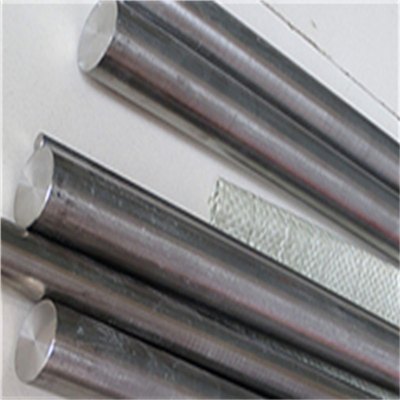
Quick answer: The nickel-alloy family splits by what the alloy is asked to survive: Monel 400 for hot caustic, HF and deaerated seawater; Inconel 625/718 for high-temperature strength plus seawater; Hastelloy C276 for the nastiest mixed oxidizing-reducing acids; and the super-austenitics (254SMO, 904L) when you need a bit more than stainless without the full nickel price. Pick by dominant corrosion mechanism, not by brand familiarity.
One table to start the conversation
| Alloy | UNS | Dominant strength | Typical service | Rough cost vs 316L |
|---|---|---|---|---|
| Monel 400 | N04400 | Hot caustic, HF, seawater | Marine, chemical, pump shafts | 5–8× |
| Inconel 625 | N06625 | High-temp + seawater | Exhaust, seawater, chemical | 4–6× |
| Inconel 718 | N07718 | Strength to 650 °C | Aerospace, gas turbine | 5–8× |
| Hastelloy C276 | N10276 | Mixed hot acids, pitting | FGD, chemical reactors | 4–7× |
| 254SMO | S31254 | Chloride pitting, cheaper | Seawater coolers, pulp bleach | 2–3× |
The right question is not "which is the best alloy" but "what is attacking my part" — chloride? acid? heat? stress? Each family answers one of those best.
Monel 400 — the caustic and seawater specialist
Monel 400 (67 Ni / 30 Cu) is the alloy to specify for hot sodium hydroxide, hydrofluoric acid, and deaerated seawater — services where even 625 loses. It is magnetic, strong, and welds with matching Monel filler. Its weak spot is oxidizing acids — nitric and hot ferric solutions dissolve it. See the dedicated Monel 400 pipe guide for delivery and inspection detail.
Inconel 625 and 718 — heat and strength
625 (Ni 58 / Cr 21 / Mo 9) holds strength and corrosion resistance to ~980 °C, resists seawater without aging, and welds easily — the default for exhaust systems, seawater hardware and chemical plant. 718 adds niobium for age-hardening to very high strength at moderate temperature, dominating aerospace fasteners and discs, bought per AMS 5662 with its own QA rules. Between them: 625 when corrosion + heat, 718 when sheer strength matters most.
Hastelloy C276 — the last resort before exotic linings
C276 (Ni 57 / Cr 16 / Mo 16 / W 4) is the alloy called when nothing cheaper survives: hot flue-gas desulfurization liquor, mixed oxidizing-reducing acids, wet chlorine chemistry. It is not the strongest or the cheapest — it is the broadest-spectrum corrosion answer. Its critical QA line is the solution-anneal record on the MTR, as covered in the C276 buying guide.
The economics nobody should skip
Stepping up the family ladder costs 2–10× per kg — but weight per part often falls (higher strength → thinner sections) and service life multiplies. Two checks keep the decision honest:
- Life-cycle, not purchase price: a 316L part replaced every 18 months is more expensive than a 625 part installed once.
- Don't overspec: 254SMO or 2205 solve most seawater problems at a fraction of C276's price — reserve the top alloys for the duty that demands them.
How to structure the RFQ so the supplier engineers, not just quotes
- Environment in one line: media, concentration, temperature, velocity — "90 °C seawater, 2 m/s" or "10% HCl, 60 °C".
- Form and standard (B446 bar for Monel, B443 plate for 625, B575 for C276...).
- Dimensions and tolerance, machining allowance if finished-machined.
- QA: MTR per heat, PMI if mixed with other alloys on site, UT on thick sections.
- Quantity and delivery condition — solution annealed, hot finished, or machined.
FAQ
Q: Why not just use 316L everywhere and replace parts? A: In genuinely aggressive service 316L fails unpredictably (pitting, crevice, SCC), and an unplanned shutdown costs more than the alloy premium. For mild service 316L is still the correct default.
Q: Which nickel alloy for seawater pumps? A: Monel 400 or 625 for shafts and internals; super-austenitic or duplex casings where budget matters. Deaerated vs aerated seawater changes the answer, which is why the environment line in the RFQ matters.
Q: Are these alloys weldable with standard equipment? A: Yes — GTA/GMA with matching filler, but each family has its own interpass and cleanliness rules. The failure mode is almost always procedure, not the alloy.
Q: How do I verify I got the alloy I paid for? A: PMI (XRF) for Ni/Cr/Mo plus the heat MTR. On high-value nickel alloys, PMI at receiving is cheap insurance against mix-ups.
Shanghai Hangbo Alloy Group
🌐 Website: www.hangbo-metal.com
📧 Email: Craliey1382@gmail.com
💬 WhatsApp: +86 19169850074
📞 Tel: +86 19169850074
📍 Address: No. 388 Songhuang Rd, Qingpu District, Shanghai, China
👤 Contact Person: Tiffany Luo