 Hangbo Alloy Group
Titanium Grade 2 (UNS R50400): Where It Beats Stainless and How to Buy It
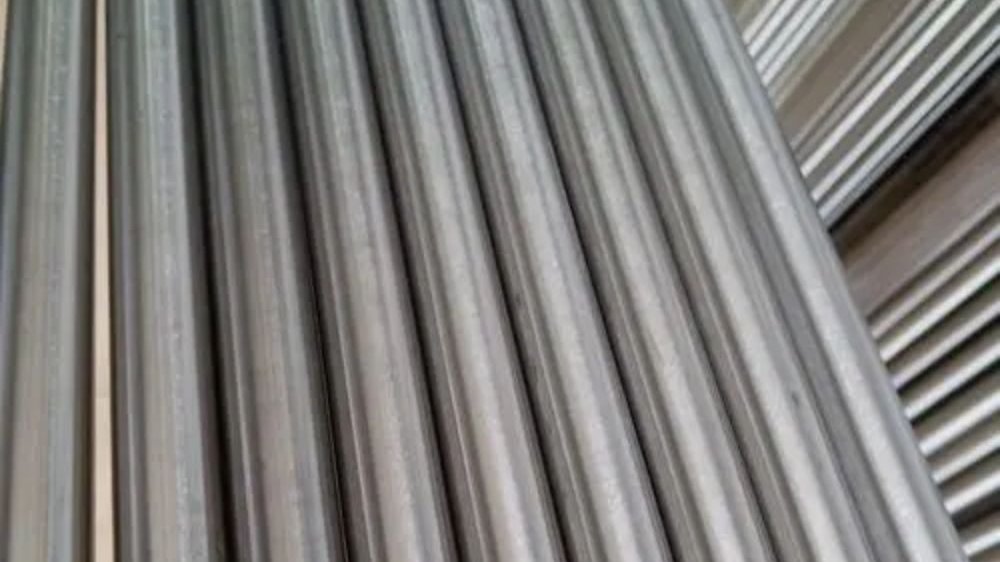
Quick answer: Titanium Grade 2 (UNS R50400, commercially pure titanium) is the workhorse titanium: outstanding seawater and chloride resistance, about 60% the density of steel, and excellent formability. Buy it for marine, chlor-alkali, desalination and chemical-plant service where stainless pits and nickel alloys cost more than the duty requires. The watch-outs are hydrogen pickup at high temperature, galling on threads, and welding that must stay shielded from air.
What is Grade 2 titanium?
Grade 2 is commercially pure titanium — ~99% Ti with small oxygen, iron and nitrogen — the balance of strength, ductility and corrosion resistance. Higher-oxygen grades (Gr 3, Gr 4) are stronger; Gr 1 is softer; Gr 5 (Ti-6Al-4V) adds aluminum and vanadium for ~2× the strength of Gr 2. For corrosion service, Gr 2 is the default.
| Property | Gr 2 titanium | 316L stainless |
|---|---|---|
| Density | 4.51 g/cm³ | 8.0 g/cm³ |
| Seawater pitting | Essentially immune | Pits at crevices |
| Yield strength | ~275 MPa | ~170 MPa |
| Max air service temp | ~300 °C (higher loses oxide control) | ~550 °C |
| Cost vs 316L | 3–6× | 1× |
Where Grade 2 wins — and where it does not
Wins: seawater heat exchangers and condensers, chlor-alkali and chlorine dioxide equipment, wet chlorine, desalination brine, and anywhere chloride pitting kills stainless. Its passive film is one of the most stable in the periodic table — the same chemistry that makes it "space-age" makes it nearly immune to coastal atmospheres.
Does not win: strong reducing acids (hot hydrochloric except at very low concentration), fluorides, and dry chlorine gas; and above ~300 °C in air, hydrogen pickup embrittles it. It also galls badly against itself — threads and sliding fits need coatings or dissimilar contacts.
Forms and standards
- Bar and billet: ASTM B348 (Gr 2), round bar up to large diameters, machined shafts and fasteners.
- Plate and sheet: ASTM B265, from 0.5 mm sheet to heavy plate for vessels and cladding.
- Tube and pipe: B338 seamless tube for condensers and heat exchangers; B861/B862 pipe.
- Weld wire: ERTi-2 per AWS A5.16.
Machining and welding cautions
- Machining: low speeds, high feeds, flood coolant, sharp tools, never let the tool dwell — titanium work-hardens and fires when chips accumulate. Rigid setups are non-negotiable.
- Welding: GTA or GMA with matching ERTi-2 filler under trailing shield or full argon atmosphere; titanium absorbs oxygen and nitrogen from air above ~400 °C and the weld becomes brittle. Bright silver weld color means clean; blue/purple straw means contamination.
- Forming: Gr 2 forms well at room temperature; hot forming needs temperature control to avoid grain growth.
What should a Gr 2 RFQ include?
- Form and standard: bar per B348, plate per B265, tube per B338, Gr 2.
- Dimensions and tolerance; for shafts, whether straightness matters more than diameter tolerance.
- Certificates: MTR per melt, and for critical service, UT and oxygen-content verification.
- Surface: pickled/annealed standard; machined finish where mating matters.
- End use — "condenser tubing, seawater 40 °C" or "fastener, coastal" tells the supplier exactly what properties to prioritize.
FAQ
Q: Why choose Gr 2 over Gr 5? A: Gr 2 is for corrosion; Gr 5 is for strength. Gr 5 costs more, machines harder, and its corrosion performance is not better — for seawater and chemical service Gr 2 is the engineering answer.
Q: Is titanium worth 3–6× the price of stainless? A: When stainless lasts 2 years and titanium lasts 20, yes. Life-cycle math in seawater, wet chlorine and hot brine overwhelmingly favors Gr 2; in mild service it does not, and 316L stays the right call.
Q: Can titanium be welded to steel? A: Not directly — it forms brittle intermetallics. Transition joints (explosion-bonded or brazed) exist exactly for this; design the system around them.
Q: How do I check the weld was done properly? A: Weld bead color is the quick field check: shiny silver is clean; straw, blue or white powdery deposits indicate oxygen/nitrogen pickup and a rejectable joint.
Shanghai Hangbo Alloy Group
🌐 Website: www.hangbo-metal.com
📧 Email: Craliey1382@gmail.com
💬 WhatsApp: +86 19169850074
📞 Tel: +86 19169850074
📍 Address: No. 388 Songhuang Rd, Qingpu District, Shanghai, China
👤 Contact Person: Tiffany Luo