 Hangbo Alloy Group
Stainless Sheet Flatness: ASTM A480 Tolerances and Why Sheets Warp After Cutting
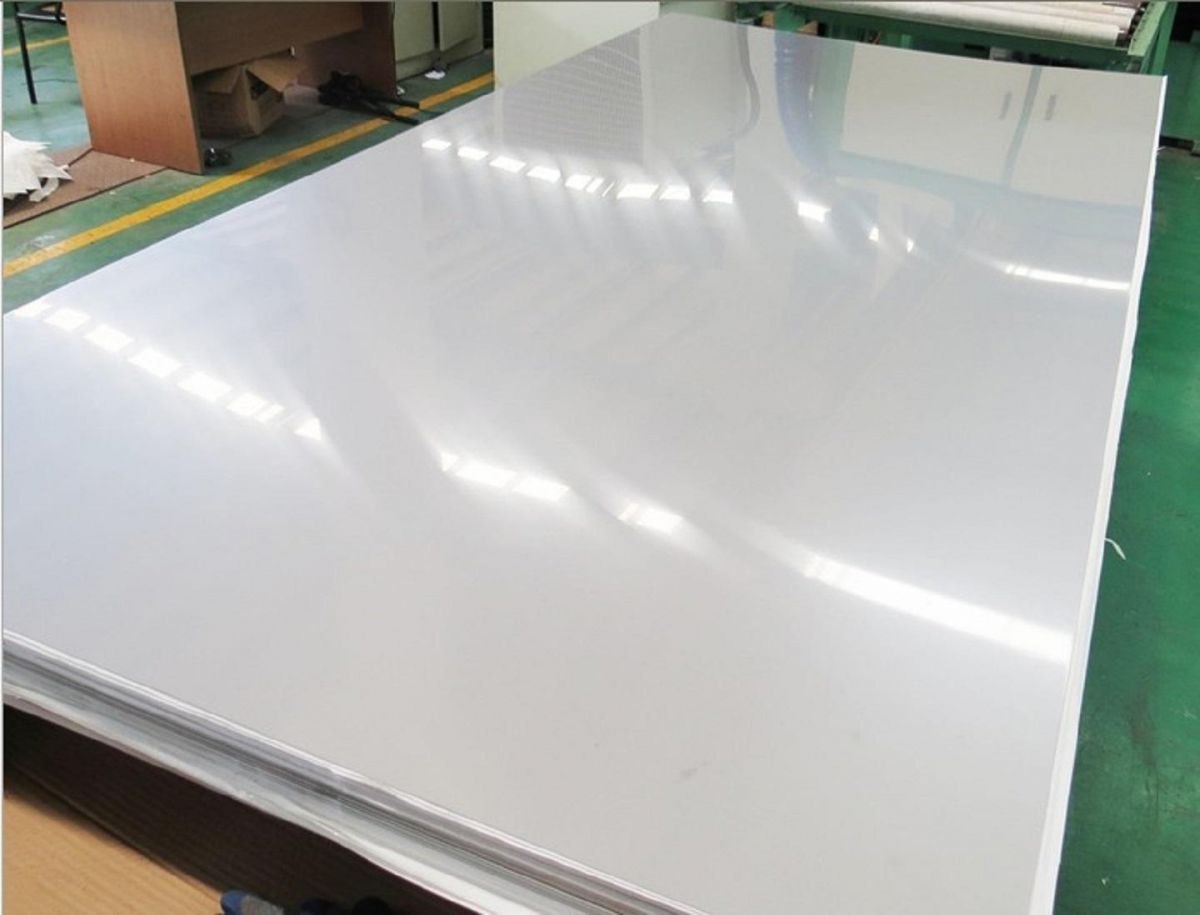
Quick answer: Stainless sheet goes out of flat for one dominant reason: internal rolling and leveling stresses release when you cut the sheet — the longer and more asymmetric the cut, the more it bows. The fix is procurement, not firefighting: order flatness class explicitly (e.g. ASTM A480 half-standard or EN 10029 class N), buy levelled (temper-leveled or tension-levelled) material, and let the supplier make the critical cuts.
How Much Flatness Does the Standard Actually Guarantee?
For plate and sheet, ASTM A480 flatness tables allow significant deviation — and "standard" is looser than most buyers expect:
| Thickness | Typical allowable deviation (standard, for 3 m length class) | Half-standard (order explicitly) |
|---|---|---|
| 1.5–3 mm | up to ~10–14 mm | ~5–7 mm |
| 4–6 mm | up to ~9–13 mm | ~4–6 mm |
| 8 mm+ | up to ~8 mm | ~4 mm |
Key points: flatness is measured on the as-supplied full sheet, not after you laser-cut it. And "half-standard" or "special" flatness costs extra because it needs stretcher/tension-levelling passes — if your drawings assume dead-flat sheet, that assumption must appear in the PO. Thickness tolerances follow the same A480 logic covered in our plate tolerance guide.
Why Did My Perfectly Flat Sheet Bow After Laser Cutting?
Three mechanisms stack up:
- Stress release: the sheet's rolled-in stresses were balanced; cutting long narrow strips unbalances them and the parts curve like Campbell Soup labels
- Local heat: laser and plasma cutting heat narrow zones that shrink on cooling, pulling the part — thin sheet under 3 mm is most exposed
- Clamping the wrong way: holding only the skeleton (not the part) lets each cut part move freely — sometimes that helps, sometimes it lets distortion accumulate
Mitigations, in order of cost: cut critical parts from the sheet center outward, use nested layouts with balanced heat input, order tension-levelled stock, or switch waterjet for heat-sensitive parts — see laser vs plasma vs waterjet.
Which Sheet Forms Need Which Flatness?
- Architectural panels, elevator doors, mirror 8K/BA finishes: ripple shows in reflections — specify half-standard flatness or better plus protective film
- Laser-cut blanks feeding bending: standard flatness usually works if parts are under ~300 mm; longer blanks need levelled stock
- Gasket faces, machined-from-sheet parts: flatness at clamping matters most — buy oversize and face-machine, or buy plate and mill it
What Should the RFQ Say?
State it in one line: "Flatness per ASTM A480 half-standard, measured over full sheet, laser-cuttable both directions, PE film applied." Ask the supplier whether the material is stretcher-levelled — coil-fed sheet is almost always levelled, but plate from stock may not be, and that difference is the bow you see after cutting.
FAQ
Q: Can I flatten a bowed cut part afterward? A: Small parts can be press-flattened, but it works the stresses somewhere else — check it again after the next operation. For cosmetic panels, prevention (levelled stock + film) beats any rework.
Q: Does thicker sheet mean flatter sheet? A: In practice yes — stiffness resists distortion, and A480's absolute allowances tighten slightly with thickness. Thin decorative sheet (under 2 mm) is where flatness hurts most.
Q: My supplier says "it's within standard." Is that the end of it? A: For as-supplied sheet, yes — standard compliance is the contract. That's exactly why the flatness class belongs in the PO if your process needs more than standard.
Shanghai Hangbo Alloy Group
🌐 Website: www.hangbo-metal.com
📧 Email: Craliey1382@gmail.com
💬 WhatsApp: +86 19169850074
📞 Tel: +86 19169850074
📍 Address: No. 388 Songhuang Rd, Qingpu District, Shanghai, China
👤 Contact Person: Tiffany Luo