 Hangbo Alloy Group
Strip Shape Defects: Edge Wave, Center Buckle, Coil Set — Causes and Cures
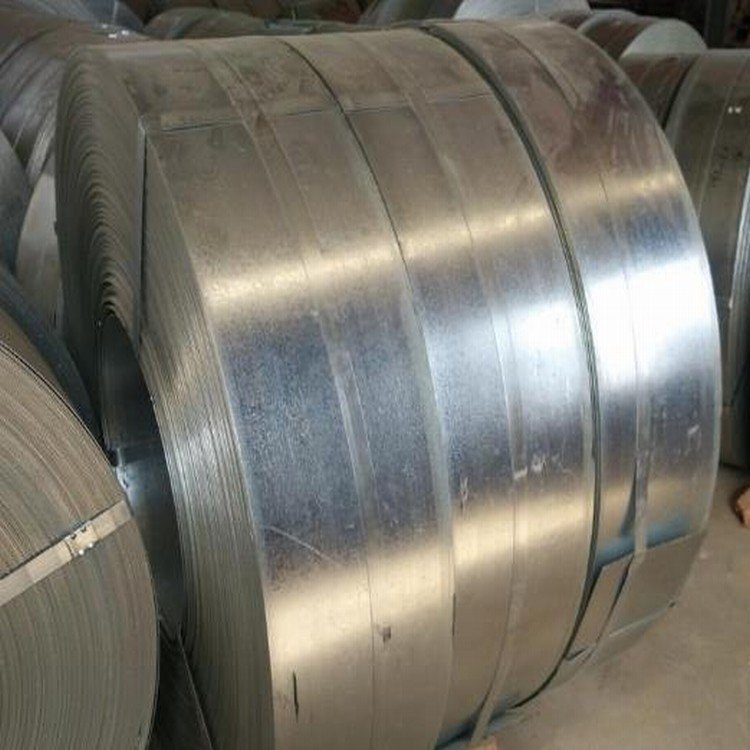
Quick answer: Strip shape defects have three usual suspects: edge wave (long edges loose — strip hotter or thinner at edges), center buckle (middle loose — crown excess in the middle), and coil set / cross bow (geometric curvature from coiling). All three are rolling-shape problems, they get worse after slitting narrow, and the cure is procurement language: state the shape standard (e.g. ASTM A480/A568 or EN 10048 flatness classes) on the strip order.
What Do the Defect Names Actually Mean?
| Defect | What you see | Root cause |
|---|---|---|
| Edge wave | Edges ripple like fabric | Edges longer than center: worn rolls with negative crown, hot edge zones |
| Center buckle | Middle ripples, edges tight | Center longer than edges: over-crowned rolls, excess reduction in middle |
| Coil set | Whole length curves in coiling direction | Asymmetric cooling, coiling tension history |
| Cross bow / twist | Corners not coplanar, corkscrew | Leveling roll mis-set |
| Lobes / wavy quarters | Ripple between center and edge | Roll bending at specific fractions of width — the hardest to level out |
Why Does Slitting Make Shape Worse?
A wide coil with mild edge wave looks acceptable; slit it into four narrow strips and each strip inherits a single-sided wave that becomes camber or twist — the loose edge is longer, so the strip curves toward that edge. This is why strip RFQs need both shape limits and camber limits stated separately, and why reputable slitters level before slitting, not after.
How Is "Good Shape" Specified and Verified?
- Flatness classes: standards define I-units or wave height per length. Practical procurement language: "Flatness ≤ 3 mm wave height per 2 m on full width, half-standard per ASTM A480/A568" (or the EN 10048 equivalent)
- Verification: uncoil 2–3 m on a flat table, no tension; measure max wave height and edge droop. A coil checked only "in the machine" always looks better than it is — tension hides wave
- Temper interacts: harder tempers (half-hard 301, spring 301) hold shape better but form less — the trade-off table is in our coil & strip temper guide
What Can the Buyer Actually Control?
- Order levelled material — tension-levelled or stretcher-levelled strip costs more and saves die downtime
- Buy the right width, not wider: trimming from a wide coil re-slits already-wavy edges — ordering slit-to-size from the mill avoids the second stress cycle
- State post-process: "for progressive die" or "for tube re-roll" tells the supplier which shape property (camber vs cross-bow vs edge quality) dominates
- Handle coils vertically, don't drop them: coil set and dents are transport damage as much as rolling damage — see export packing practice
FAQ
Q: Can leveling fix edge wave completely? A: Mostly, if material stock allows — leveling rolls stretch the short regions. Severe edge wave in thin soft strip comes back after slitting, which is why level-then-slit with a shape spec is the only reliable sequence.
Q: My stamped parts curl after blanking — strip defect or die issue? A: Both possible: residual shape stress (coil set/lobes) releases at blanking, and punched-edge stress adds more. Try strip from a different coil; if the curl direction follows the coil, it's the strip.
Q: Does thickness tolerance relate to shape? A: Yes — crown (thickness profile across width) is the geometry that creates shape defects. A strip with tight thickness profile levels more easily; see how thickness classes are specified in coil and strip buying basics.
Shanghai Hangbo Alloy Group
🌐 Website: www.hangbo-metal.com
📧 Email: Craliey1382@gmail.com
💬 WhatsApp: +86 19169850074
📞 Tel: +86 19169850074
📍 Address: No. 388 Songhuang Rd, Qingpu District, Shanghai, China
👤 Contact Person: Tiffany Luo